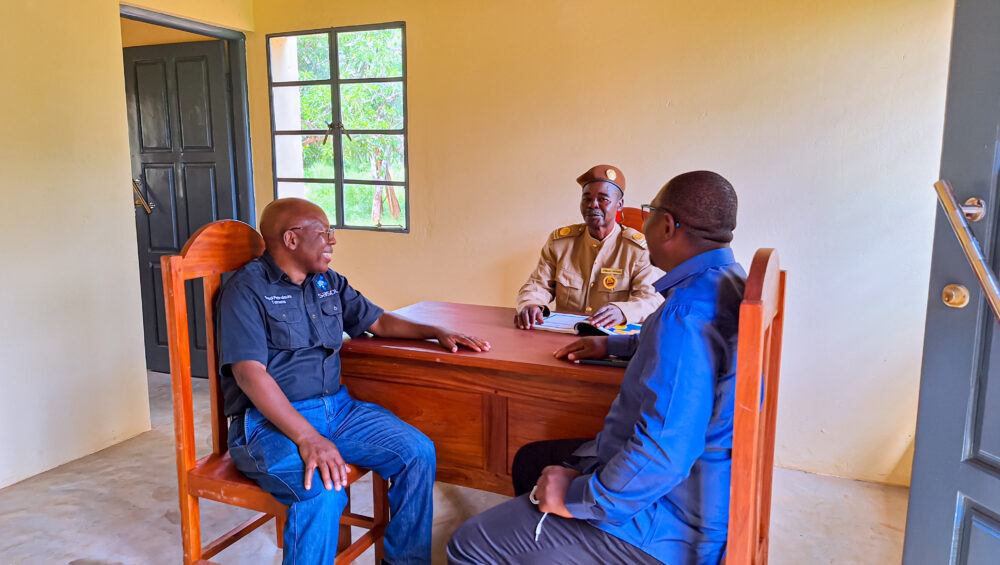
ForAfrika and Sasol partner to strengthen food security, water access and livelihoods in Vilankulo, Mozambique
Tuesday, 14 July 2026
ForAfrika has signed a new partnership agreement with Sasol to improve food security, strengthen agricultural livelihoods and create new economic opportunities for communities in Vilankulo District, Inhambane Province. The partnership builds on a history of collaboration between ForAfrika and Sasol across Inhambane Province.
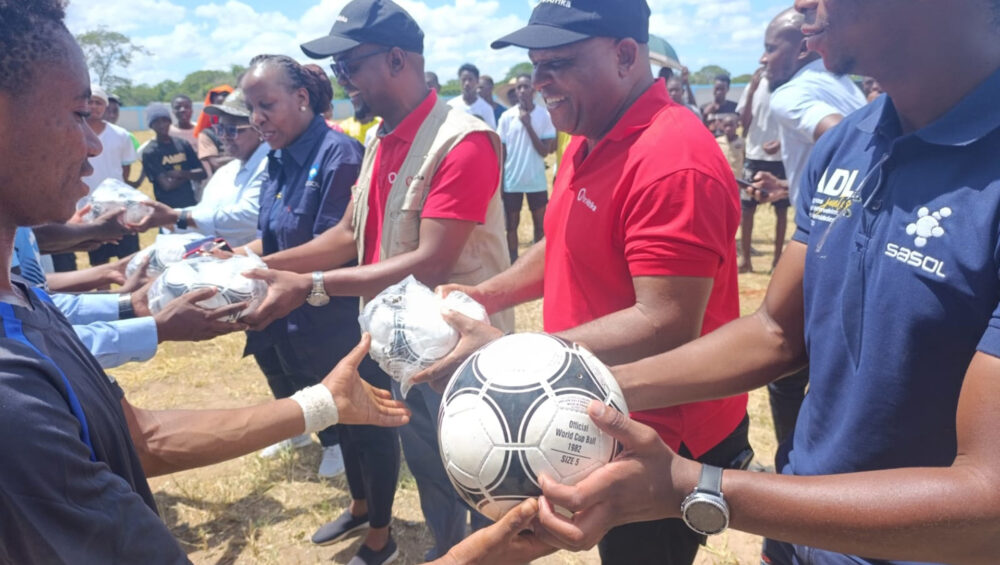
Scoring goals for communities
Wednesday, 15 April 2026
Along the turquoise waters of Mozambique’s Indian Ocean coastline lies Inhambane Province, a region nationally known as the “Terra da Boa Gente”, the Land of the Good People.
- Published in Economic Empowerment, Emergency Response, Health and Nutrition, Mozambique

International Women’s Day 2026: Access to rights
Tuesday, 10 March 2026
In 2025, ForAfrika’s programme interventions reached more than 3.4 million girls and women, representing 54.6% of our total reach across the continent.
- Published in Africa, Angola, Central African Republic, Ethiopia, Mozambique, Rwanda, South Africa, South Sudan, Uganda

Emergency Update – Mozambique – Cyclone Gezani
Monday, 16 February 2026
The ForAfrika team in Mozambique is closely monitoring the evolving situation as Cyclone Gezani approaches the coast.
- Published in Emergency Response, Mozambique

Emergency appeal: Southern Africa floods victims need urgent humanitarian response
Friday, 30 January 2026
Since late December 2025, relentless heavy rainfall has triggered severe flooding across southern and central Mozambique and South Africa’s Limpopo Province, affecting over 700,000 people.
- Published in Emergency Response, Mozambique, South Africa

Restoring WASH in Cabo Delgado: ForAfrika Partnership with GFFO and Humedica
Friday, 28 November 2025
Cabo Delgado has endured a succession of hardships this past year, each one arriving before the province could recover from the last.
- Published in Mozambique, Water, Sanitation and Hygiene (WASH)
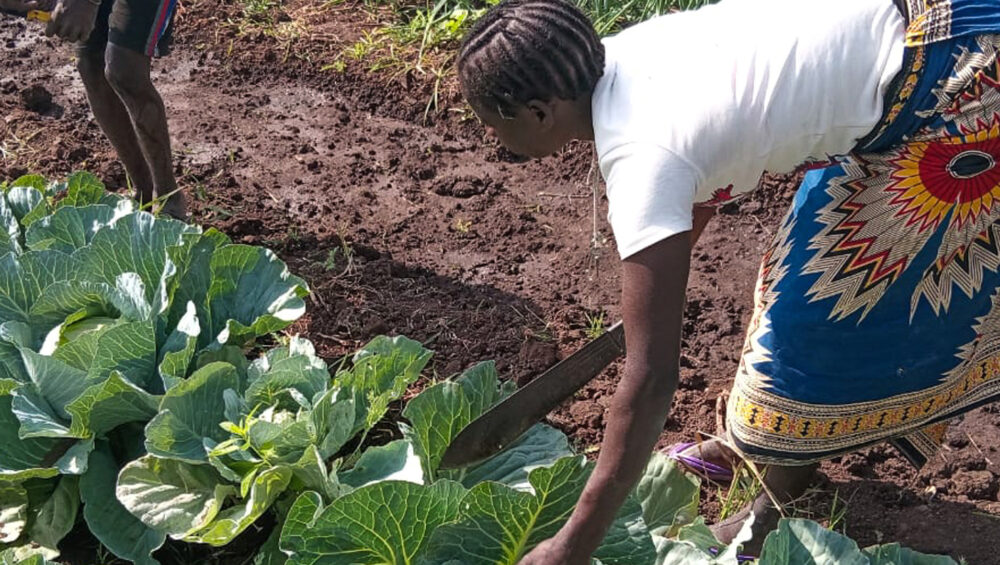
How ForAfrika’s integrated approach is tackling food insecurity in Chemba, Mozambique
Thursday, 30 October 2025
What does a weather phenomenon in the Pacific Ocean, have to do with the Chemba district of central Mozambique?
- Published in Food Security and Livelihoods, Mozambique

The Return of Papa Soja: When a Community Becomes the Heart of Change
Monday, 20 October 2025
“We could never imagine that this project would turn out to be such a success,” says Alemão, Director of Macharote Primary School in Dondo, Mozambique. His smile says it all, participants share pride, relief, and the quiet satisfaction of seeing a community effort come full circle.
- Published in Economic Empowerment, Food Security and Livelihoods, Mozambique, Social Enterprise

From Drought to Harvest: Building Resilience in Chemba
Monday, 20 October 2025
In central Mozambique, the district of Chemba has endured one of its harshest droughts in recent years. Once-fertile lands turned dry, and families were forced to survive on wild fruits or sell their livestock to buy food.
- Published in Food Security and Livelihoods, Mozambique

Violence, fear and hunger still stalk the people of Cabo Delgado
Friday, 07 June 2024
Cabo Delgado, the northern province of Mozambique, has been plagued by violence since 2017. People, who have watched their friends and family members killed – often decapitated or cut into pieces – tortured or raped and their homes and farms burnt to the ground, have been forced to flee to neighbouring areas. According to the United Nations Refugee Agency (UNHCR), at the height of the conflict at least a million people were displaced and in January 2024, about 582,000 people had still not returned home. In February of this year there was a resurgence of conflict in the area.
- Published in Emergency Response, Mozambique