Seeds of sustainability in Central African Republic
Tuesday, 29 September 2026
The Central African Republic presents a striking agricultural paradox. With a tropical climate, fertile soils, an estimated 15 million hectares of arable land, and nearly 75% of the population engaged in agriculture, it remains one of the most food insecure countries in Africa.
- Published in Central African Republic, Food Security and Livelihoods
Where floods once destroyed, hope now grows
Thursday, 24 September 2026
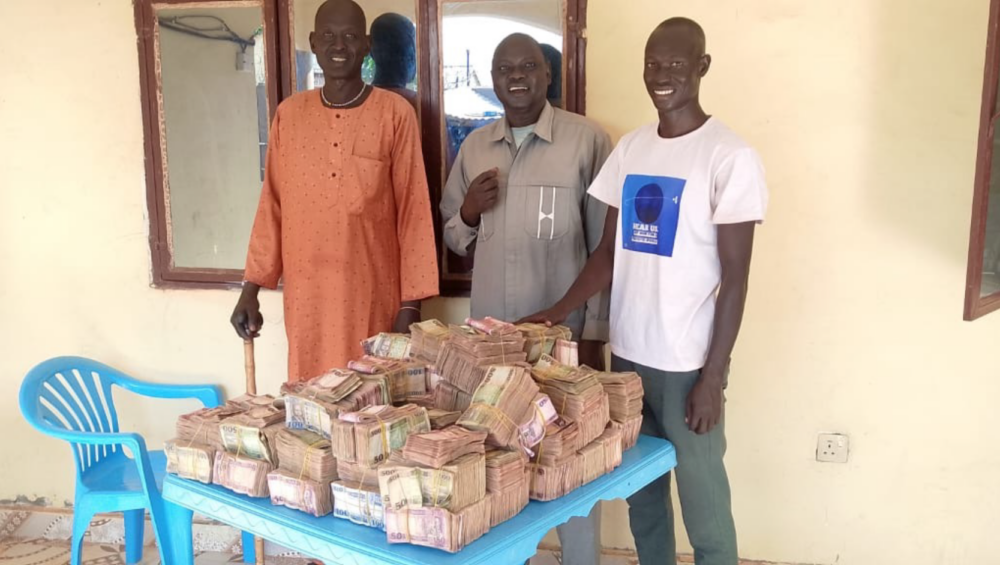
In Mathiang Boma, the same floods that once destroyed livelihoods are now helping to grow a new future. Three years ago, relentless flooding devastated farmland across Mathiang Boma, destroying homes, traditional crops and the livelihoods families had depended on for generations.
- Published in Food Security and Livelihoods, South Sudan

Ruben Maleyolo’s vision for Central African Republic
Tuesday, 21 July 2026
Ruben Maleyolo is the President of the Union of Sibut Village Loans and Savings Associations, part of the ForAfrika interventions in Sibut, Central African Republic. He supported the creation and strengthening of 40 associations, helping close to 1,000 head of households find their path to self-sufficiency.

Youth revive degraded watersheds bringing Konso back to life
Monday, 20 July 2026
“This place was bare,” Kuchabo Kubale, woreda (district) Sorobo Kebele head administrator states as he points to the 50-hectare watershed that has been rehabilitated by the Livelihood Improvement Project in collaboration with the Sorobo Youth Group.
- Published in Economic Empowerment, Ethiopia, Food Security and Livelihoods
South Africa’s urgent need: Sustaining school feeding in the Western Cape
Friday, 17 July 2026
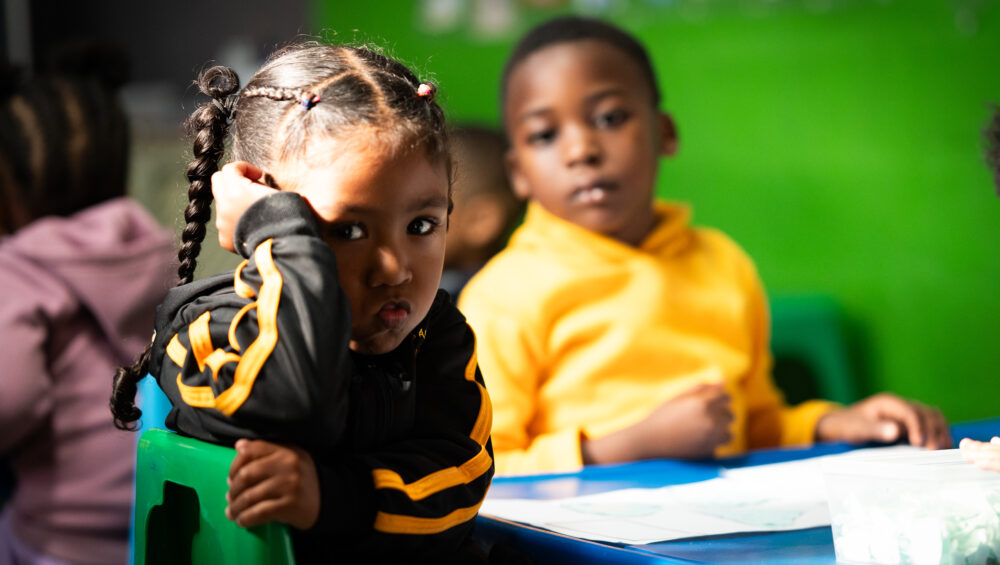
Our School Feeding Programme in the Western Cape, South Africa, is at risk of closing. In 2025, the programme supported 346 Early Childhood Development (ECD) centres across South Africa, providing fortified porridge to vulnerable children and serving more than 1 million nutritious meals throughout the year.
- Published in Education, Food Security and Livelihoods, Health and Nutrition, South Africa
ForAfrika and Sasol partner to strengthen food security, water access and livelihoods in Vilankulo, Mozambique
Tuesday, 14 July 2026
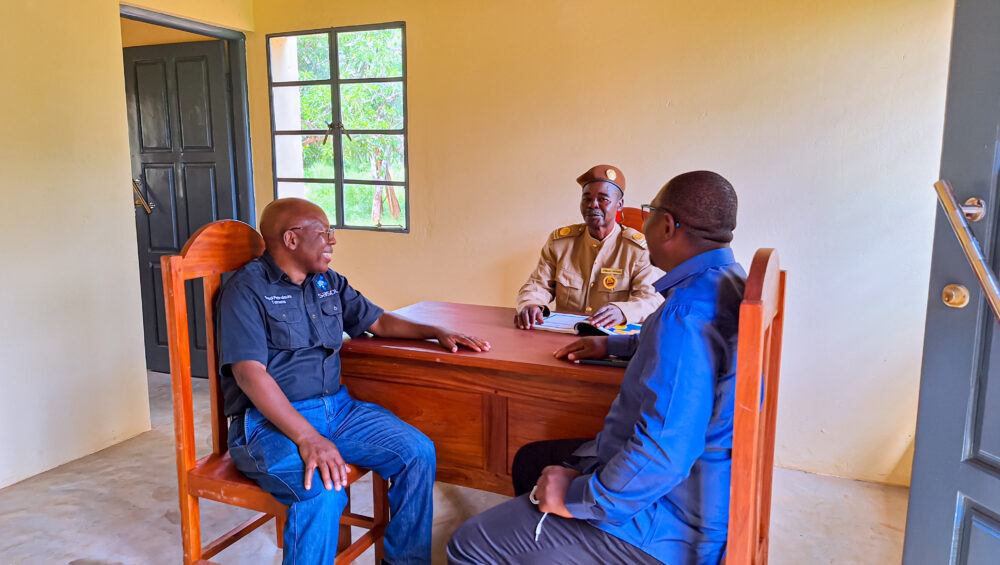
ForAfrika has signed a new partnership agreement with Sasol to improve food security, strengthen agricultural livelihoods and create new economic opportunities for communities in Vilankulo District, Inhambane Province. The partnership builds on a history of collaboration between ForAfrika and Sasol across Inhambane Province.
Jaresso Kuita Village: Water scheme rehabilitation in Jaresso uplifts the life of a pregnant mother
Tuesday, 14 July 2026
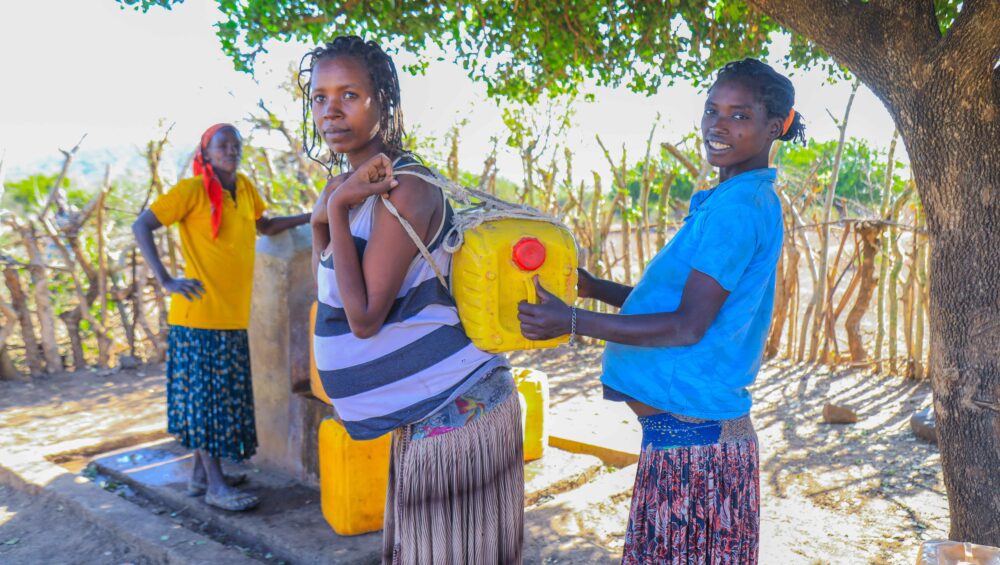
Roba Gabino lives in rural Jaresso Kebele in Konso Zone, Ethiopia, with her husband, two children and expecting her third child. Before ForAfrika and Konso Development Association (KDA) rehabilitated and upgraded a water scheme in her community to solar, had to walk for hours to fetch water.
Turning simple lessons into lasting change
Monday, 13 July 2026
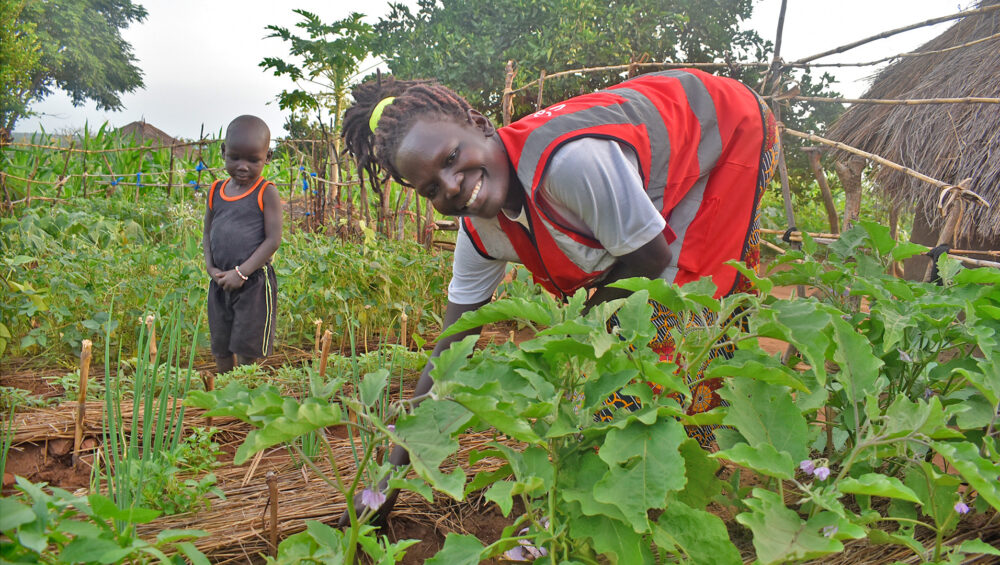
For Anna Monday, a 25-year-old mother of three in Omugo 5 Village, Rhino Refugee settlement in Uganda’s West Nile, change began with a small garden behind her home, a few lessons on nutrition and hygiene, and the decision to take use every opportunity wisely.
- Published in Food Security and Livelihoods, Uganda
Project combats malnutrition amongst refugees in Uganda
Friday, 26 June 2026
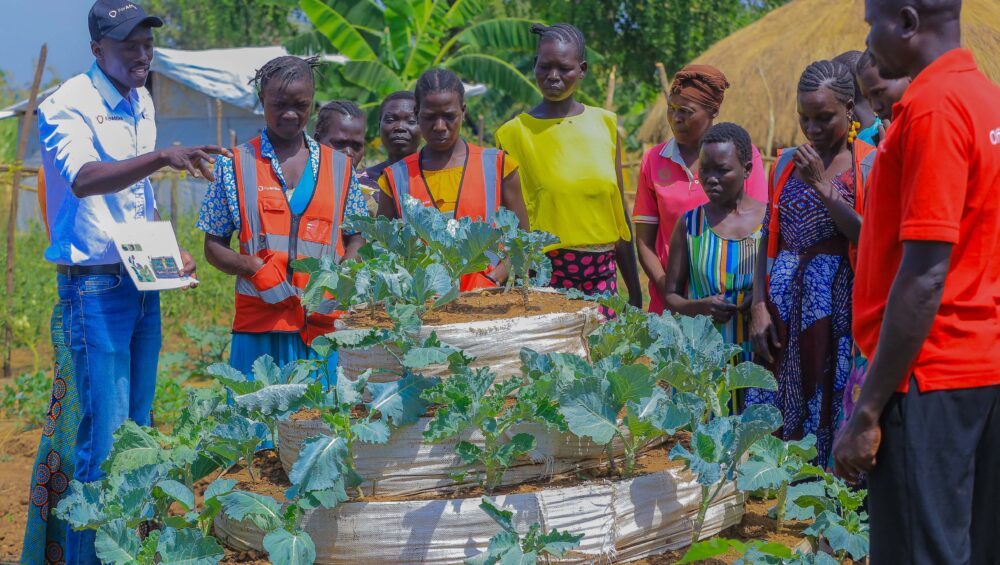
A 27-year-old Susan Sakaya who fled the conflict in South Sudan, arrived at Omugo village in Rhino Refugee Settlement in Uganda's West Nile region from Yondu in Central Equatorial State of South Sudan empty-handed.
- Published in Food Security and Livelihoods, Health and Nutrition, Uganda
Integrated livelihood Intervention in Konso tackles food insecurity and poverty
Monday, 22 June 2026
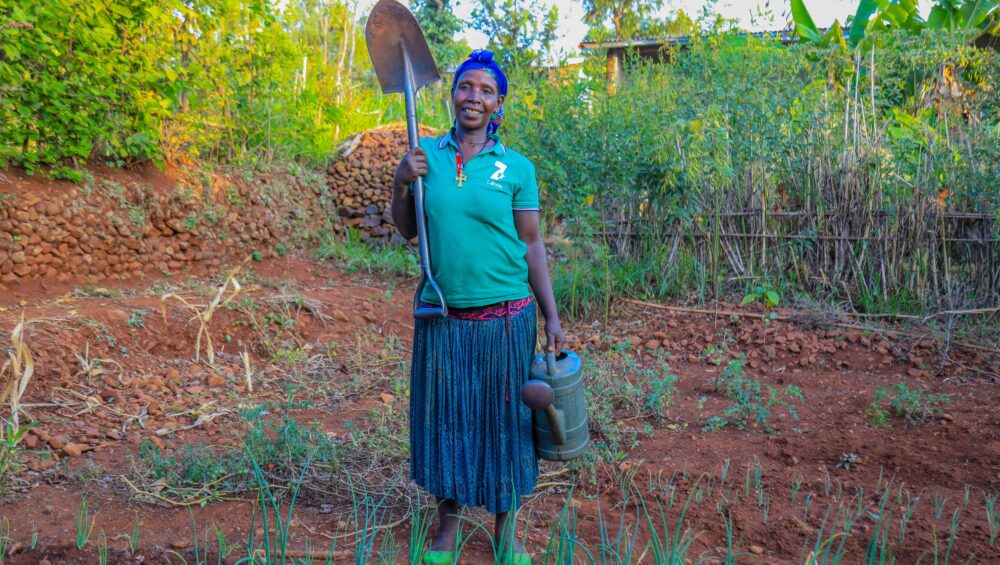
Ashawa Oribula previously practised mixed bean farming, but the yields were poor. She admits that she was unfamiliar with vegetable growing. She is now knowledgeable and understands that for better yields, she must grow the beans separately.
- Published in Economic Empowerment, Ethiopia, Food Security and Livelihoods