Money flowing through African economies, not just into them
Friday, 02 October 2026
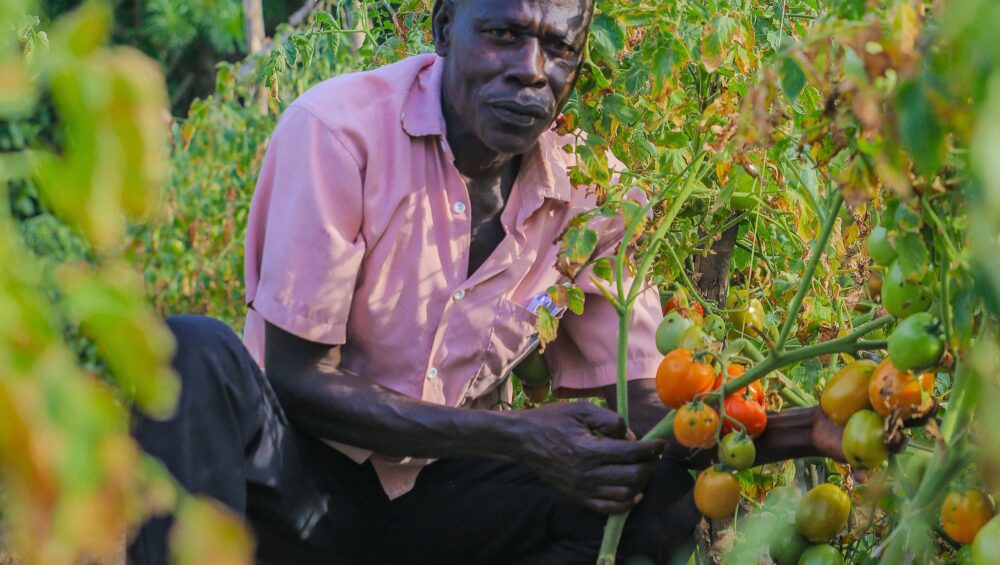
After more than four decades of humanitarian and development work across the continent, ForAfrika has learnt that aid alone cannot secure Africa’s future. Communities need opportunities to earn, grow and participate meaningfully in sustainable markets. They need economic systems that create value locally and
enable that value to remain within communities.
- Published in Uganda

The continuum, lived
Friday, 02 October 2026
Before ForAfrika and WeActx for Hope came alongside her, Aline* had no work, no savings, and no clear path forward. Living with HIV, she faced not only economic hardship, but also the social isolation and stigma that often deepen vulnerability.
- Published in Rwanda

Seeds of sustainability in Central African Republic
Tuesday, 29 September 2026
The Central African Republic presents a striking agricultural paradox. With a tropical climate, fertile soils, an estimated 15 million hectares of arable land, and nearly 75% of the population engaged in agriculture, it remains one of the most food insecure countries in Africa.
- Published in Central African Republic, Food Security and Livelihoods
6,050 children in Aweil East are stepping into class with confidence
Tuesday, 29 September 2026
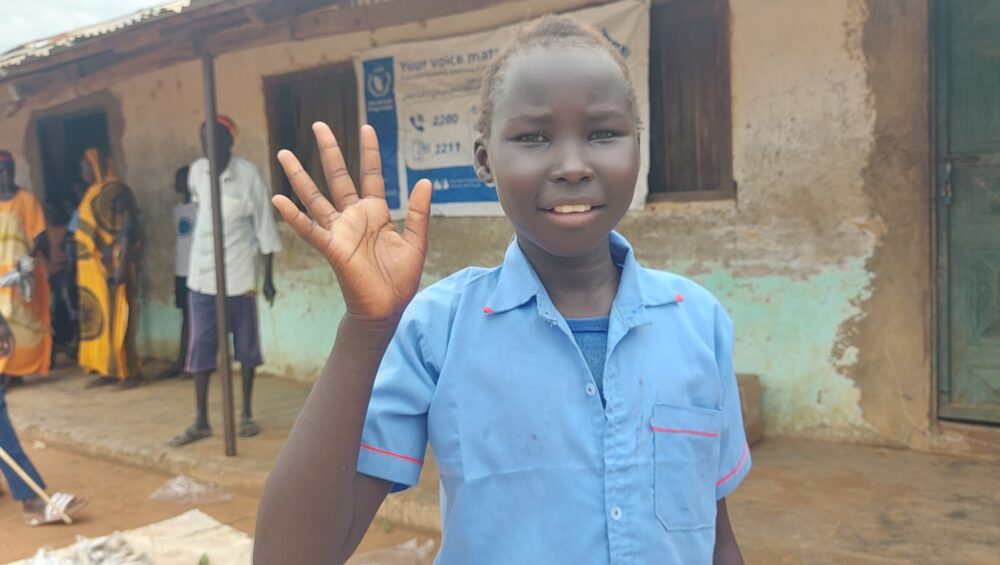
For more than a month, Anyier Garang Dumo walked barefoot to school. Her old sandals completely worn out by early July 2026 and with her family already struggling to meet basic needs, replacing them was simply not a priority.
- Published in Education, South Sudan
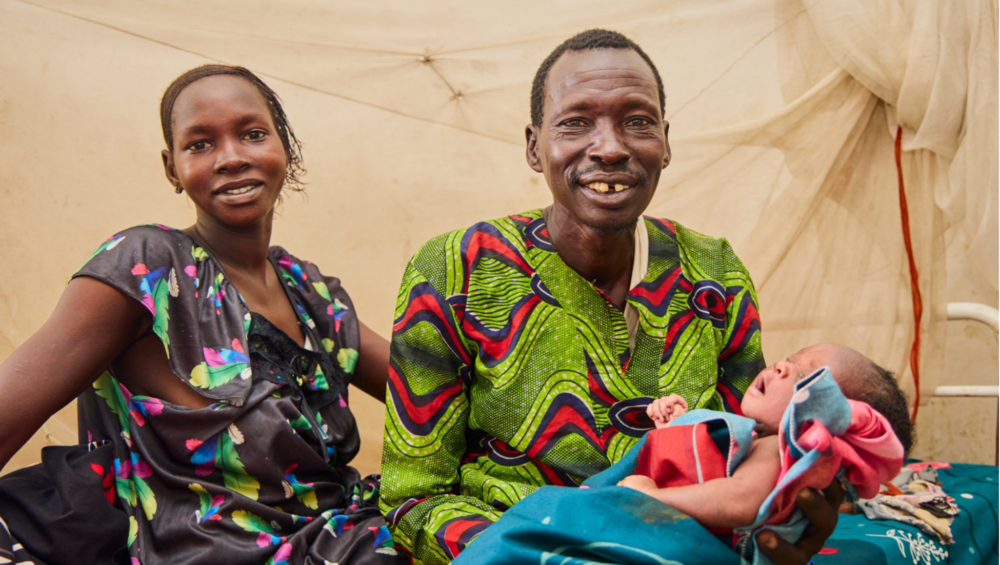
When complications strike, strong health systems are the difference between hope and despair
Thursday, 24 September 2026
For three days, Ngachok Leyik waited for her baby to come. The 24-year-old mother of three had delivered her first two children without serious complications. She expected her third delivery to be much the same.
- Published in Health and Nutrition, South Sudan

Restoring dignity through choice and cash assistance
Thursday, 24 September 2026
For 16-year-old Nyayai Ayiik, the financial support she received from ForAfrika reopened the door to education and renewed her hope for the future.
- Published in Emergency Response, South Sudan
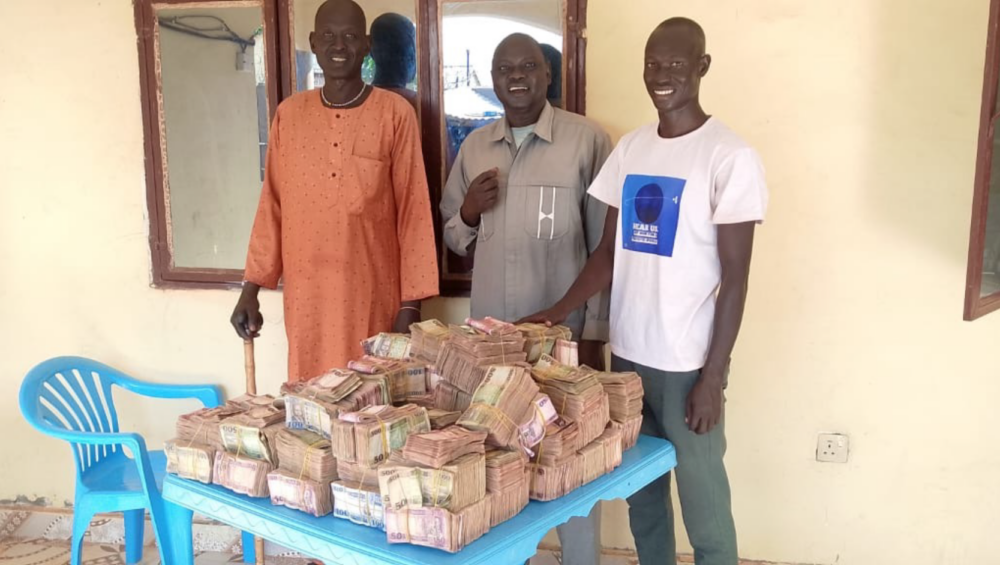
Where floods once destroyed, hope now grows
Thursday, 24 September 2026
In Mathiang Boma, the same floods that once destroyed livelihoods are now helping to grow a new future. Three years ago, relentless flooding devastated farmland across Mathiang Boma, destroying homes, traditional crops and the livelihoods families had depended on for generations.
- Published in Food Security and Livelihoods, South Sudan
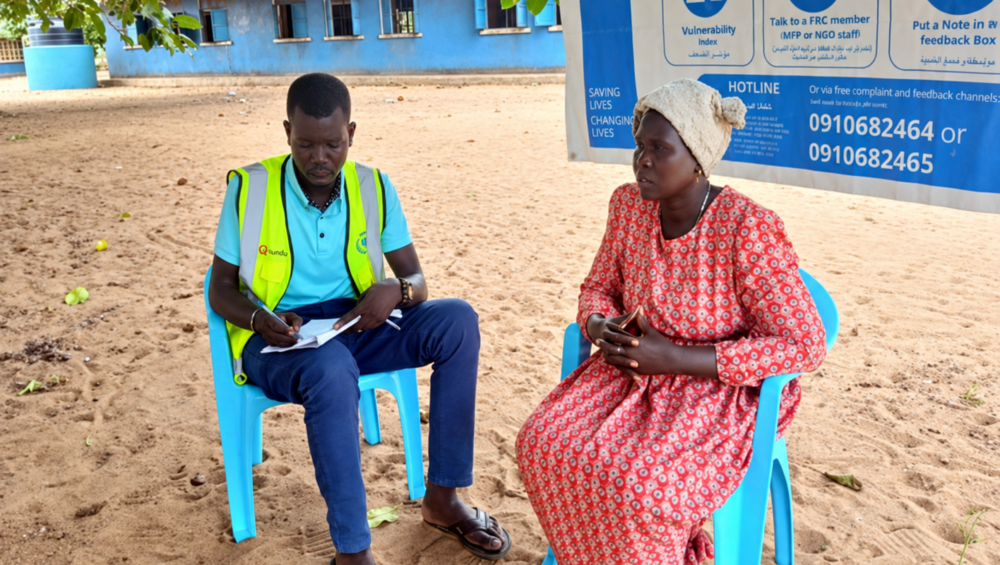
How Angong rebuilt her family’s future with cash assistance from ForAfrika
Thursday, 24 September 2026
When Angong Deng Tor received her first cash transfer, every shilling already had a claim on it.
- Published in Emergency Response, South Sudan
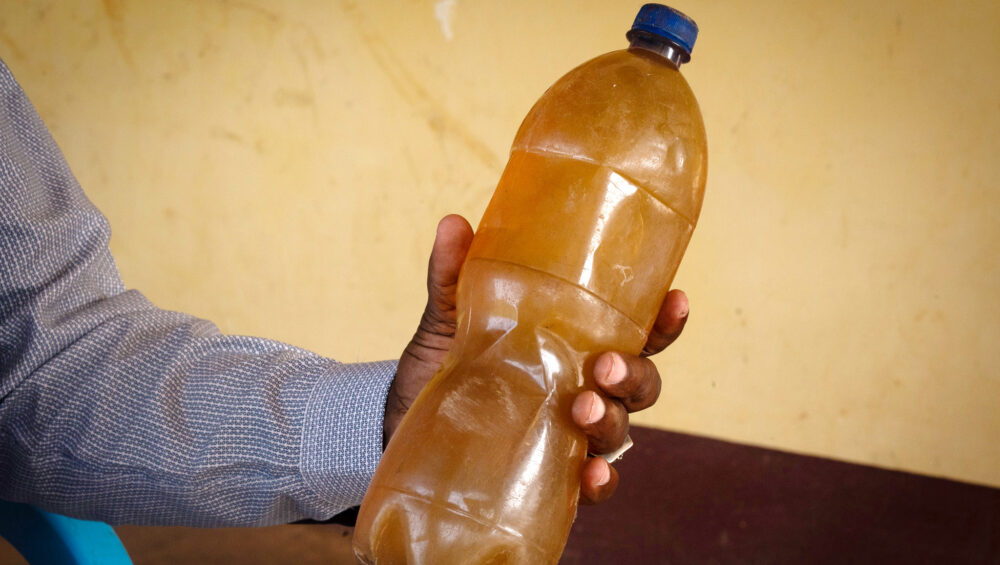
Water scarcity in Central African Republic pushes millions to vulnerability
Wednesday, 09 September 2026
“This is the water my community has access to. This is inhuman.”
- Published in Central African Republic, Water, Sanitation and Hygiene (WASH)
From reach to outcome
Thursday, 03 September 2026
In crisis settings, the immediate priority is preserving life. Long-term impact, however, is determined by what follows, whether interventions create the conditions for recovery, resilience and sustained progress.
- Published in South Sudan