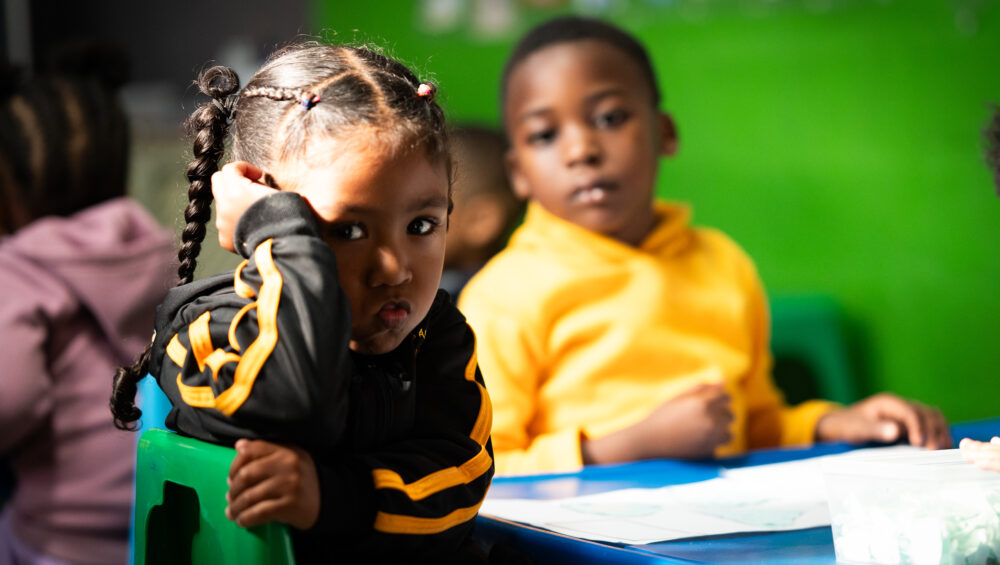
South Africa’s urgent need: Sustaining school feeding in the Western Cape
Friday, 17 July 2026
Our School Feeding Programme in the Western Cape, South Africa, is at risk of closing. In 2025, the programme supported 346 Early Childhood Development (ECD) centres across South Africa, providing fortified porridge to vulnerable children and serving more than 1 million nutritious meals throughout the year.
- Published in Education, Food Security and Livelihoods, Health and Nutrition, South Africa
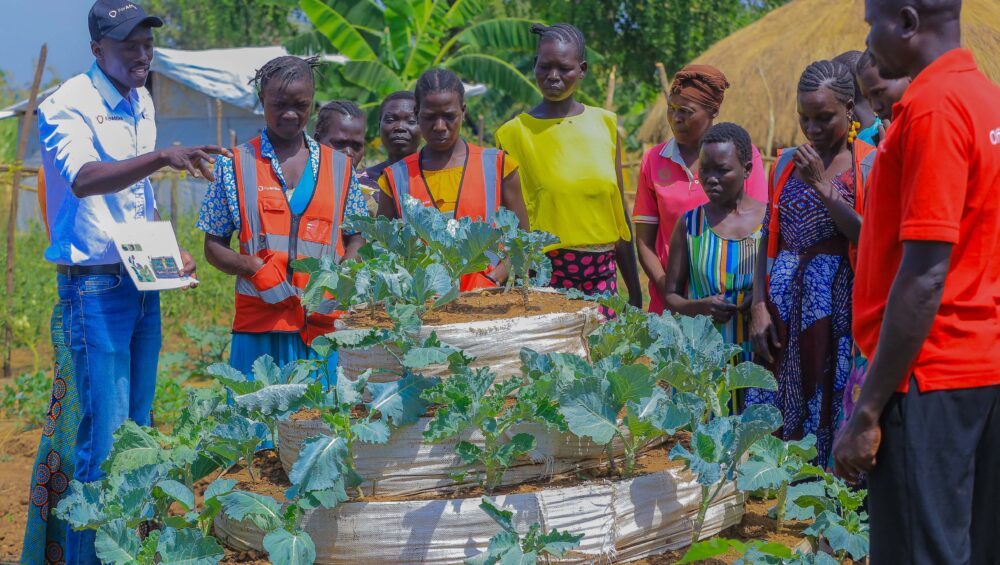
Project combats malnutrition amongst refugees in Uganda
Friday, 26 June 2026
A 27-year-old Susan Sakaya who fled the conflict in South Sudan, arrived at Omugo village in Rhino Refugee Settlement in Uganda's West Nile region from Yondu in Central Equatorial State of South Sudan empty-handed.
- Published in Food Security and Livelihoods, Health and Nutrition, Uganda

A daily meal that keeps children in school
Monday, 22 June 2026
At St. Bakhita Primary School in Northern Bahr el Ghazal State, South Sudan, the impact of the Home Grown School Feeding Programme can be seen in fuller classrooms, more attentive pupils, and children who now look forward to coming to school.
- Published in Food Security and Livelihoods, Health and Nutrition, South Sudan

A garden that brought learners back to class
Friday, 05 June 2026
Pupils at St. Joseph Primary School, recently tasted the fruits of their hard work when they harvested cassava they had planted, weeded and cared for themselves. The cassava was served alongside food supplied through ForArika’s School Feeding Programme funded by World Food Programme.
- Published in Education, Food Security and Livelihoods, Health and Nutrition, South Sudan
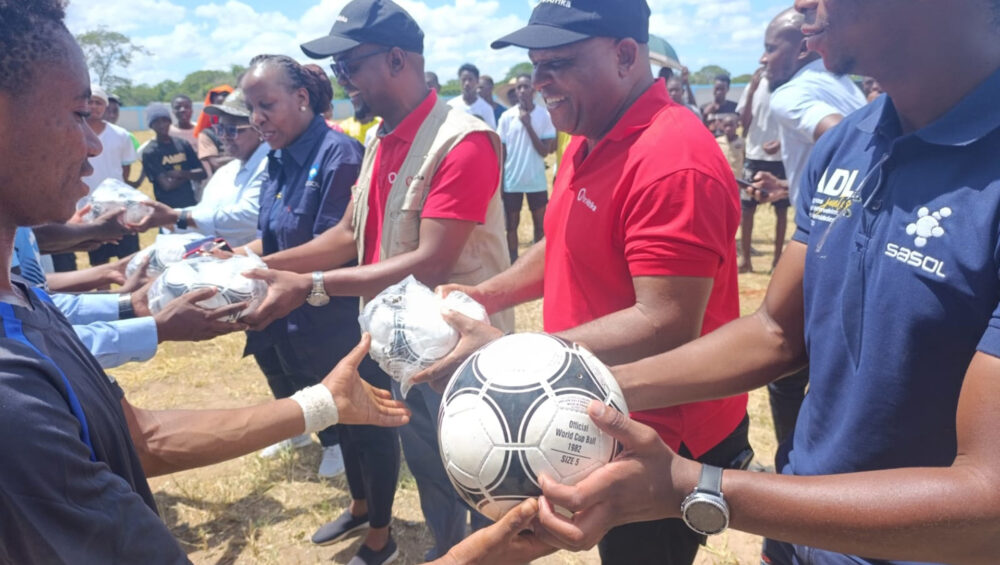
Scoring goals for communities
Wednesday, 15 April 2026
Along the turquoise waters of Mozambique’s Indian Ocean coastline lies Inhambane Province, a region nationally known as the “Terra da Boa Gente”, the Land of the Good People.
- Published in Economic Empowerment, Emergency Response, Health and Nutrition, Mozambique

Reaching families with lifesaving healthcare
Wednesday, 15 April 2026
For many families in Jebel Boma, South Sudan, accessing healthcare has often meant walking long distances, facing difficult terrains and uncertainty. In communities where health facilities are few and far, a medical emergency can quickly become a matter of life and death. The lack of timely care makes many families vulnerable.
- Published in Health and Nutrition, South Sudan

Karat Hospital transitions from generator to clean energy
Tuesday, 07 April 2026
Karat Primary Hospital in Ethiopia’s Konso Zone, which serves nearly one million patients each year, is in urgent need of additional facilities and equipment. Although the hospital requires 120 beds, it currently has only 84 and its average bed occupancy is 65 per cent.
- Published in Ethiopia, Health and Nutrition

Masaka Cell families toast to safety and good health
Friday, 13 March 2026
30-year-old Claudine Uwiringiyimana is raising her six-year-old son, Mfitimana Ndayuzwe Maxima in Masaka Cell, Kamonyi, Rwanda, where safe water is still inaccessible.
- Published in Health and Nutrition, Rwanda

The silent menace: 38% of Angolan children under 5 years old are affected by malnutrition
Tuesday, 16 December 2025
Eight babies and toddlers lie quietly in a small room. An eerie silence fills the room, not a single sound can be heard. Doctor Osvaldo Cuhola, the Head of the Nutrition Division at Bocoio Municipal Hospital, respects the silence. He knows these little ones are fighting for their lives.
- Published in Angola, Health and Nutrition
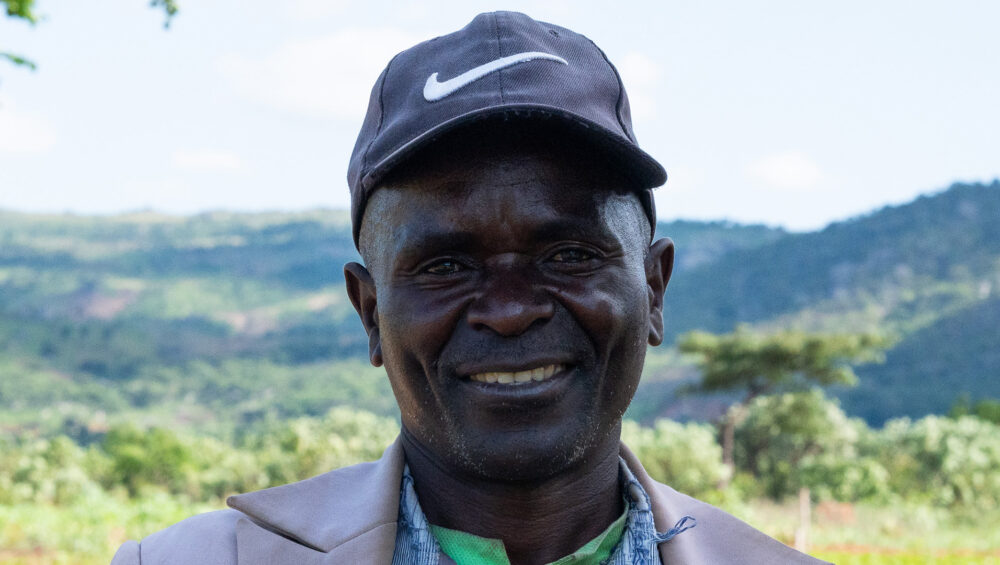
Preventing malnutrition through sustainable agriculture
Tuesday, 16 December 2025
The green hills rising around Cateque tell the first part of this story: the rainy season has finally arrived, promising a fruitful harvest ahead. Along a road so battered by potholes it hardly resembles a road anymore, about an hour’s drive from Balombo town, lies the village of Cateque, an organised, welcoming community led by Soba Jordão Joaquim.
- Published in Angola, Health and Nutrition
- 1
- 2