Youth revive degraded watersheds bringing Konso back to life
Monday, 20 July 2026
“This place was bare,” Kuchabo Kubale, woreda (district) Sorobo Kebele head administrator states as he points to the 50-hectare watershed that has been rehabilitated by the Livelihood Improvement Project in collaboration with the Sorobo Youth Group.
- Published in Economic Empowerment, Ethiopia, Food Security and Livelihoods
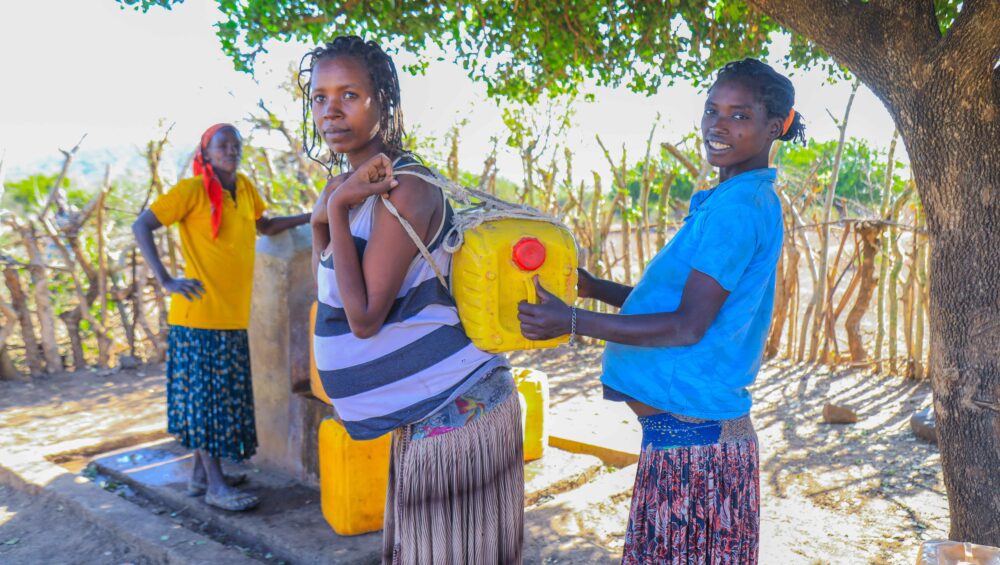
Jaresso Kuita Village: Water scheme rehabilitation in Jaresso uplifts the life of a pregnant mother
Tuesday, 14 July 2026
Roba Gabino lives in rural Jaresso Kebele in Konso Zone, Ethiopia, with her husband, two children and expecting her third child. Before ForAfrika and Konso Development Association (KDA) rehabilitated and upgraded a water scheme in her community to solar, had to walk for hours to fetch water.
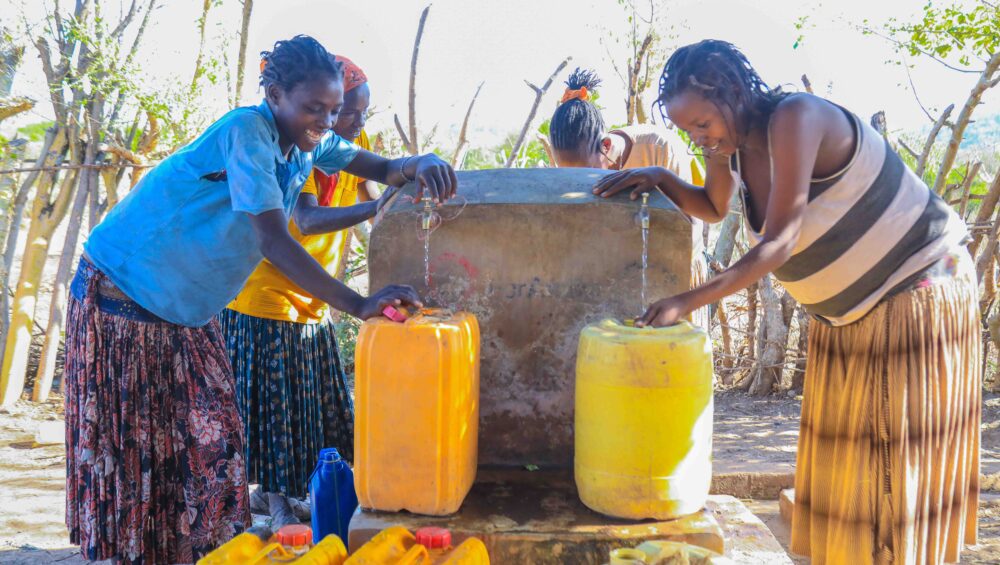
Jaresso Kuita Kebele’s bright solution for clean drinking water
Friday, 26 June 2026
It is seething hot as Roba Gabino, aged 25, married and a mother of two children, treks the one-kilometre journey to Jaresso Kuita Kebele borehole. On average, she makes three trips to the water point, and a round trip takes her 30 minutes, if there are no queues at the taps. Her family uses 120 litres a day.
- Published in Ethiopia, Water, Sanitation and Hygiene (WASH)
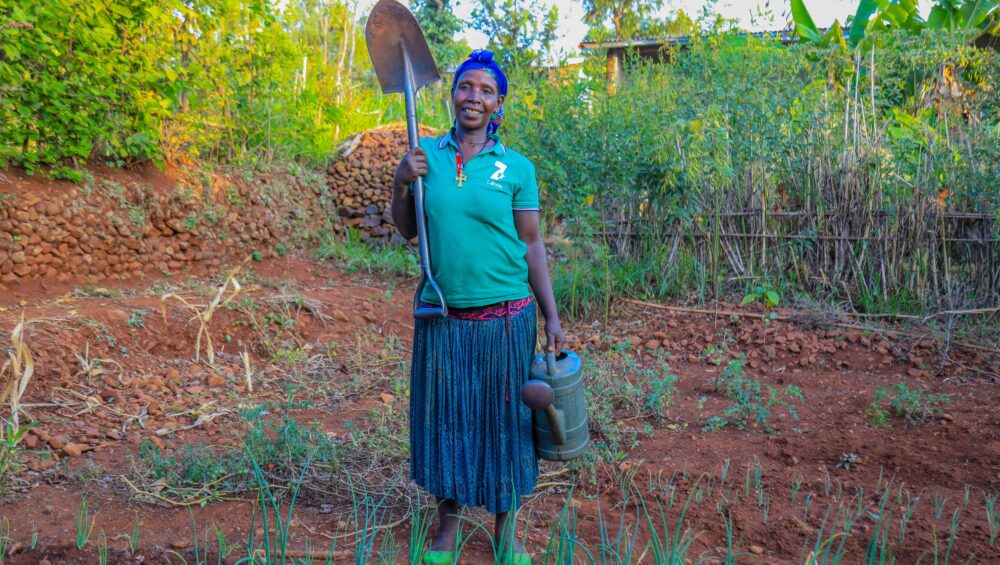
Integrated livelihood Intervention in Konso tackles food insecurity and poverty
Monday, 22 June 2026
Ashawa Oribula previously practised mixed bean farming, but the yields were poor. She admits that she was unfamiliar with vegetable growing. She is now knowledgeable and understands that for better yields, she must grow the beans separately.
- Published in Economic Empowerment, Ethiopia, Food Security and Livelihoods

Karat Hospital transitions from generator to clean energy
Tuesday, 07 April 2026
Karat Primary Hospital in Ethiopia’s Konso Zone, which serves nearly one million patients each year, is in urgent need of additional facilities and equipment. Although the hospital requires 120 beds, it currently has only 84 and its average bed occupancy is 65 per cent.
- Published in Ethiopia, Health and Nutrition

Doha-Dibala women are building financial resilience through VSLAs
Monday, 23 March 2026
A quiet transformation is underway at the heart of Doha Kebele, a village shaped by resilient women, and informal trade. Five groups of 100 members each, totalling to 500 women, are a part of the Doha Village Savings and Loan Association (VSLA), that has provided the pathway to shift their livelihoods from informal survival strategies to engaging productively in the local market economy.
- Published in Economic Empowerment, Ethiopia

Water committee sets example for sustaining water infrastructure
Friday, 20 March 2026
Access to clean water has become a major turning point for rural Jaresso, where community members once spent hours walking long distances each day just to collect the water they needed to survive. ForAfrika in partnership with Konso Development Association (KDA), through a Water, Sanitation and Hygiene (WASH) project, is now providing safe water to more than 2,000 households.
- Published in Ethiopia, Water, Sanitation and Hygiene (WASH)

International Women’s Day 2026: Access to rights
Tuesday, 10 March 2026
In 2025, ForAfrika’s programme interventions reached more than 3.4 million girls and women, representing 54.6% of our total reach across the continent.
- Published in Africa, Angola, Central African Republic, Ethiopia, Mozambique, Rwanda, South Africa, South Sudan, Uganda

Collective community effort improves watershed and boosts livelihoods
Thursday, 26 February 2026
In recent years, environmental challenges have become a major concern in Konso, situated in southwestern region of Ethiopia’s Southern Nations. The area faces numerous barriers including land degradation, soil erosion, deforestation, desertification, loss of biodiversity, and recurrent droughts, all of which contribute to reduced productivity and ongoing food shortages.
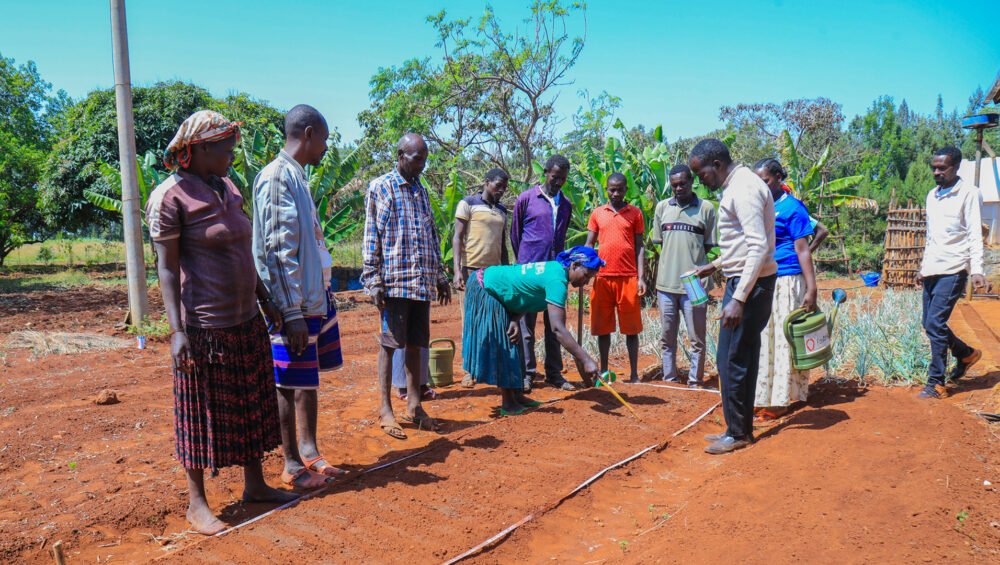
Ashawa’s journey from struggle to success in Fasha
Tuesday, 10 February 2026
Ashawa Oribula, a married mother of seven, has spent much of her life facing adversity. Her home is nestled on the extremely rocky slopes of Fasha highlands, Konso Zone, and her family was dependent on erratic rainfall for their garden to grow food, often yielding barely enough to eat, let alone sell.
- Published in Ethiopia, Food Security and Livelihoods
- 1
- 2