Stories from South Sudan
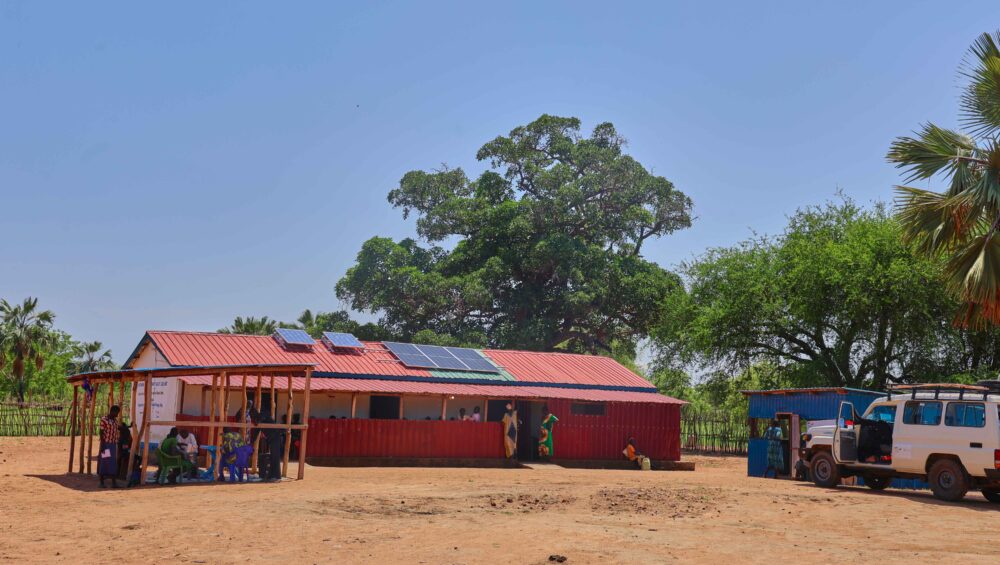
Where distance once meant death
Tuesday, 17 November 2026
The road from Mathiang Village to the nearest health facility was never really a road at all but just a footpath worn thin by grief. For generations, when a child burned with malaria or a woman went into a difficult labour, families had one option: lift their loved one onto a makeshift bed and carry them on foot for nearly four hours to Malualkon or Marialbaai. Many did not survive the journey.
- Published in Health and Nutrition, South Sudan
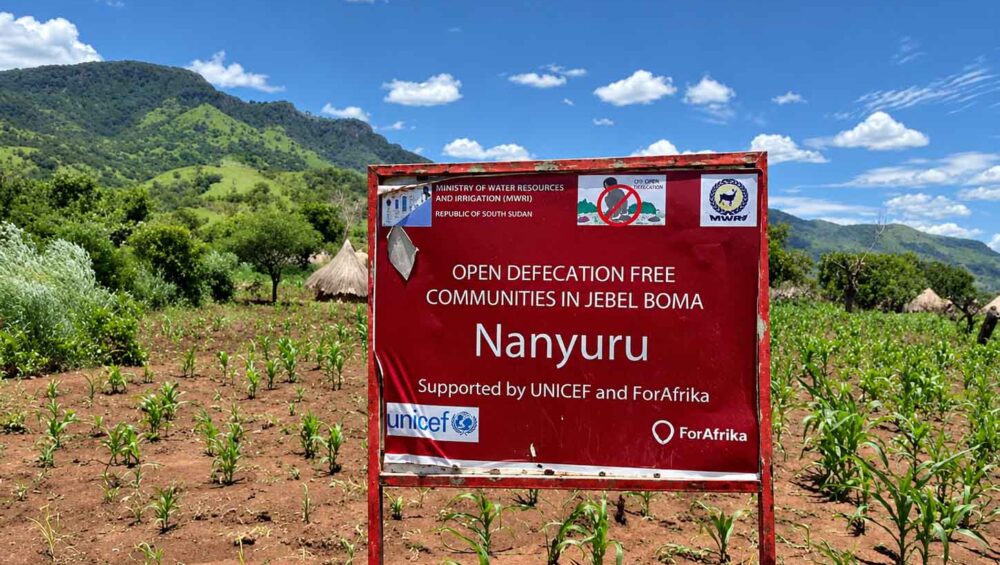
Nanyuru leaves open defecation behind in its journey to a cleaner society
Friday, 13 November 2026
As the rains fall over Nanyuru, families can remain within the safety of their compounds instead of venturing into the surrounding bush to relieve themselves, where snakes, scorpions and flies can pose a danger. For residents, this everyday change reflects how far their village has come.
- Published in South Sudan, Water, Sanitation and Hygiene (WASH)
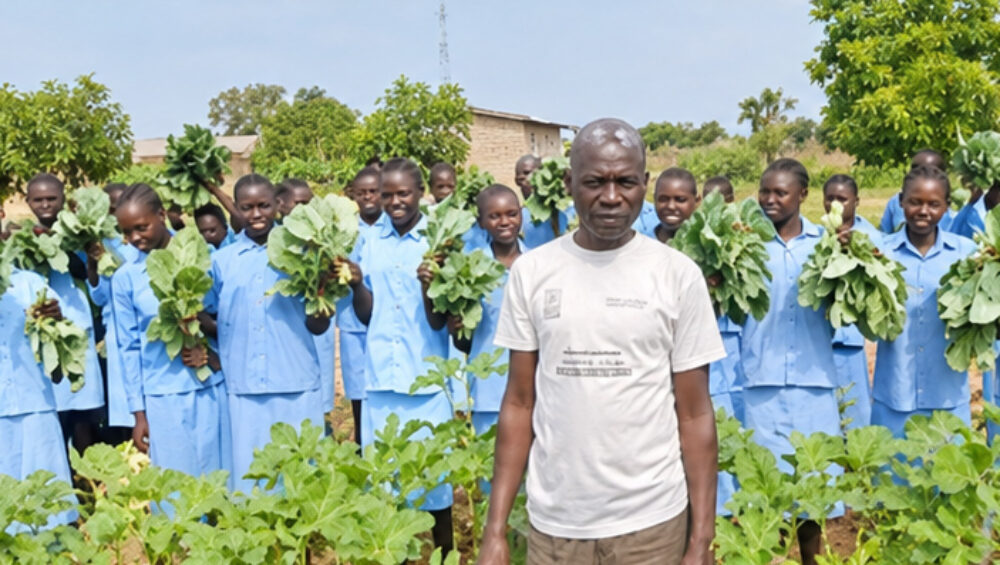
Young farmers are growing better nutrition and stronger futures in Aweil East
Tuesday, 03 November 2026
On 21 July 2026, 30 young farmers at Akuem SPC Primary School harvested 51 kilograms of fresh kale from their school garden. By lunchtime, that harvest was no longer sitting in the field. It had become part of the meals served to 604 pupils, bringing fresh vegetables directly from the school garden to children’s plates.
- Published in Education, South Sudan

From the bush to a safer home: a mother’s determination to protect her children
Monday, 02 November 2026
When Nganychech Nyarikot’s latrine filled up, she could not afford to build another. At 60, the single mother of four also struggled to do the work alone. With no safe alternative, she and her children returned to the bush.
- Published in South Sudan, Water, Sanitation and Hygiene (WASH)
“We are no longer waiting for help; we are the help”
Friday, 30 October 2026
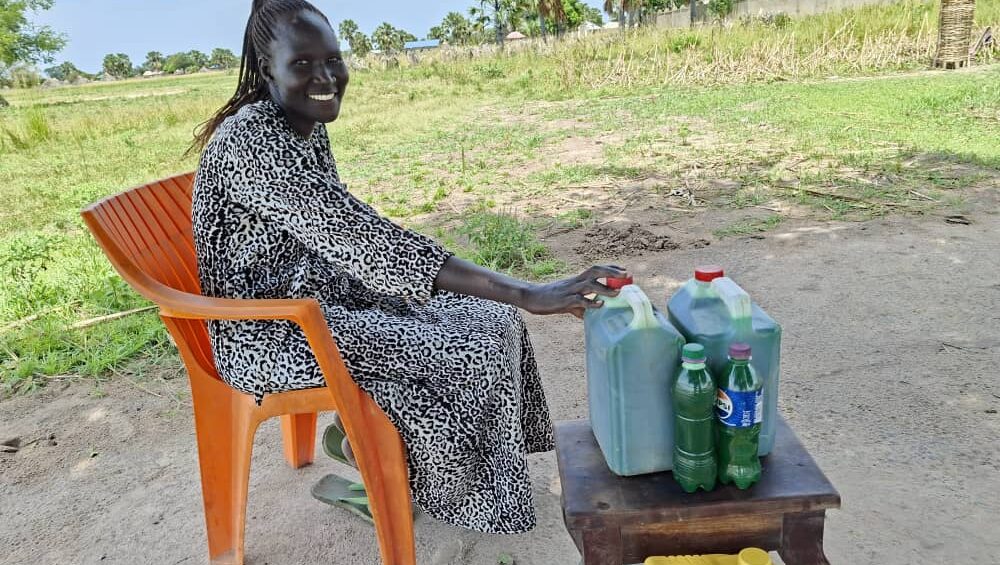
For many women in Warrap State, each day brings responsibilities that cannot wait. There is food to prepare, children to care for and household needs to meet, often with little money to cover them all. Despite their determination to improve their lives, opportunities to earn an independent income remain limited.
- Published in Economic Empowerment, South Sudan

Turning land into livelihoods
Friday, 30 October 2026
A once-unused piece of land in Ayien Amuol Boma is now putting food on family tables, generating income and helping households to meet every day needs.
- Published in Food Security and Livelihoods, South Sudan
6,050 children in Aweil East are stepping into class with confidence
Tuesday, 29 September 2026
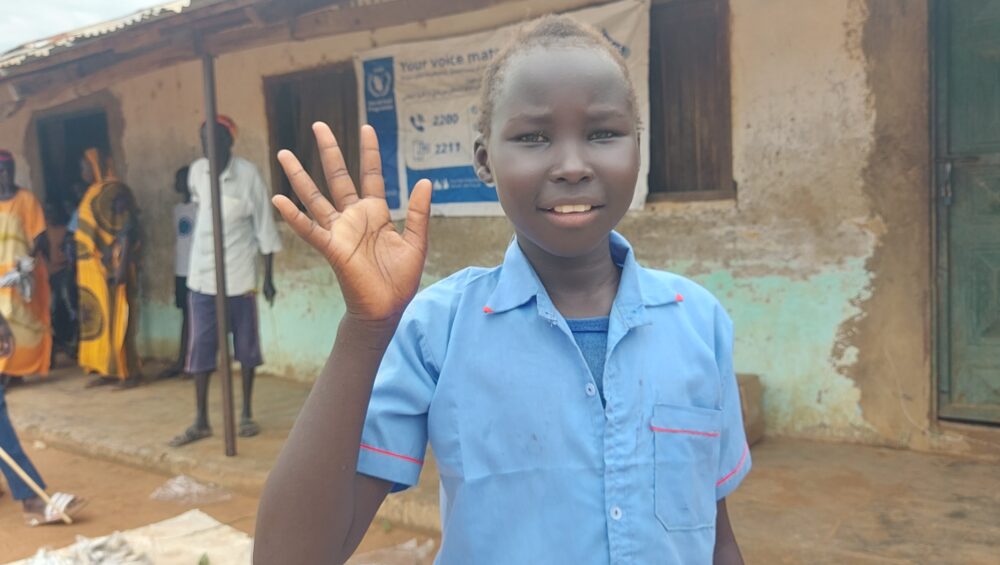
For more than a month, Anyier Garang Dumo walked barefoot to school. Her old sandals completely worn out by early July 2026 and with her family already struggling to meet basic needs, replacing them was simply not a priority.
- Published in Education, South Sudan
When complications strike, strong health systems are the difference between hope and despair
Thursday, 24 September 2026
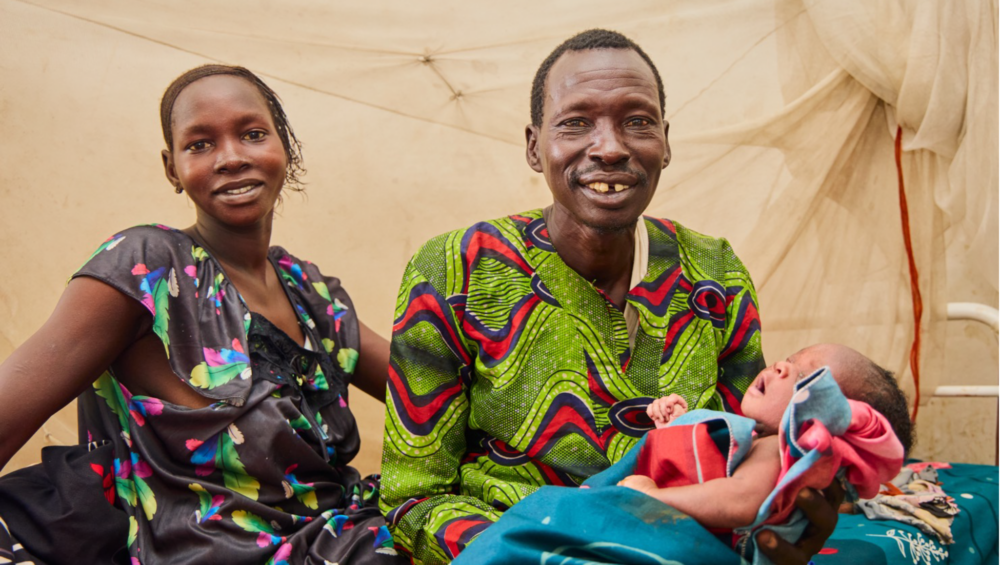
For three days, Ngachok Leyik waited for her baby to come. The 24-year-old mother of three had delivered her first two children without serious complications. She expected her third delivery to be much the same.
- Published in Health and Nutrition, South Sudan

Restoring dignity through choice and cash assistance
Thursday, 24 September 2026
For 16-year-old Nyayai Ayiik, the financial support she received from ForAfrika reopened the door to education and renewed her hope for the future.
- Published in Emergency Response, South Sudan
Where floods once destroyed, hope now grows
Thursday, 24 September 2026
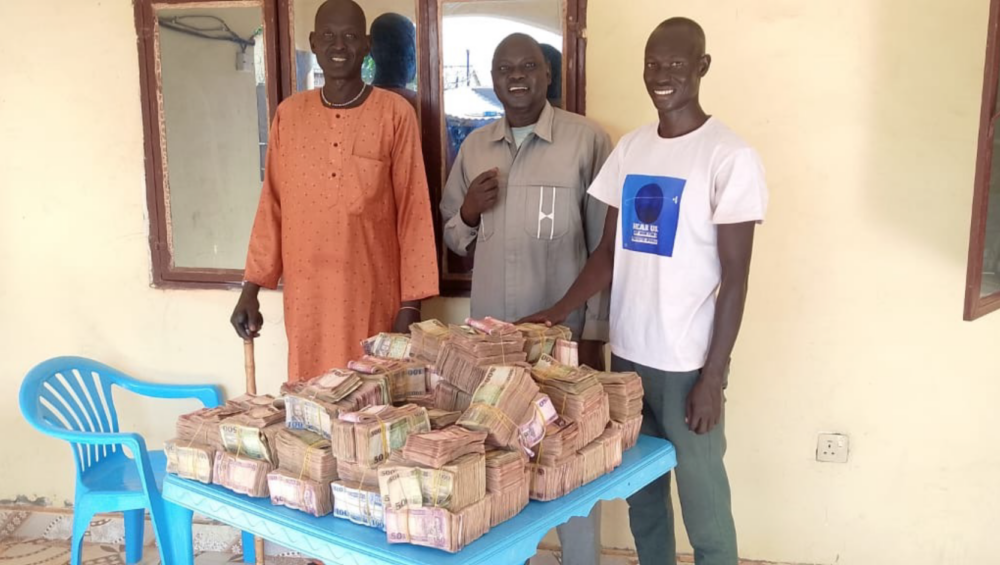
In Mathiang Boma, the same floods that once destroyed livelihoods are now helping to grow a new future. Three years ago, relentless flooding devastated farmland across Mathiang Boma, destroying homes, traditional crops and the livelihoods families had depended on for generations.
- Published in Food Security and Livelihoods, South Sudan