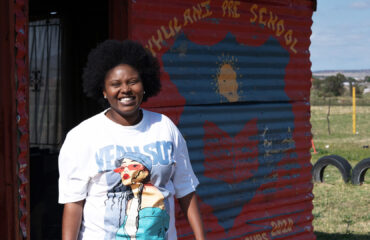
Students in Viendi Primary School, Angola
This year’s International Day of Education invites us to reflect on a crucial question: How can we meaningfully enable children across Africa to invoke their fundamental right to receive an education?
Across Africa, millions of young people are eager to work towards their communities and futures. As an African humanitarian and development organisation, ForAfrika works alongside families, schools, and local leaders to try to ensure that every child has the opportunity to learn, grow, and thrive.
South Africa: Youth engagement as the foundation of strong education systems
In South Africa, education remains central to shaping the country’s shared future, and recent improvements, including an 88% National Senior Certificate pass rate, highlight the impact of sustained investment in teaching, learner support, and early childhood development.
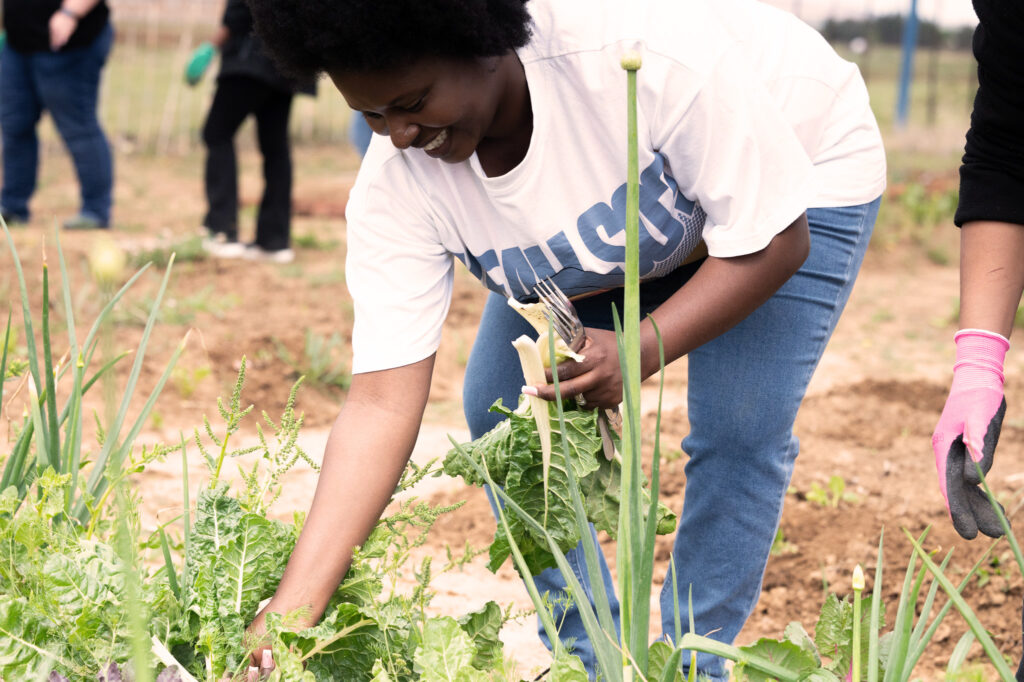
Strong early foundations shape literacy, confidence, and longterm opportunity, particularly in communities affected by inequality. ForAfrika supports this progress by improving school infrastructure, expanding access to nutritious meals, and strengthening Early Childhood Development. When children are well-nourished, safe, and emotionally supported, they are more engaged and more capable of contributing to their own learning journeys.
Mozambique: Building resilient education systems through youth participation
In Mozambique, where the majority of the population is under 25, the future of the country depends on today’s investment in education. Yet many children still face significant obstacles: fragile infrastructure, conflict-related disruptions, limited water and sanitation facilities, and the economic pressure to work rather than attend school.

Despite these challenges, Mozambican youth continue to show extraordinary resilience. ForAfrika’s four decades in the country have strengthened education systems through school rehabilitation and school feeding programmes. In 2025, nearly 10,000 children benefited from the provision of school meals, a lifeline that keeps students in class and improves concentration.
However, gaps remain. Assessments in Cabo Delgado, a conflict-affected province in the north of Mozambique, reveal that limited local food production affects the sustainability of school feeding programmes. Many schools also lack kitchens, storerooms, and nearby water sources. Strengthening local food systems, and including youth in these efforts, can transform both educational outcomes and community resilience.
Angola: Transforming communities through improved learning environments
Angola continues to expand access to education, but rural and remote communities still face obstacles that limit consistent learning. ForAfrika’s support, from nutrition to infrastructure rehabilitation, is helping to ensure long term, sustainable improvement.
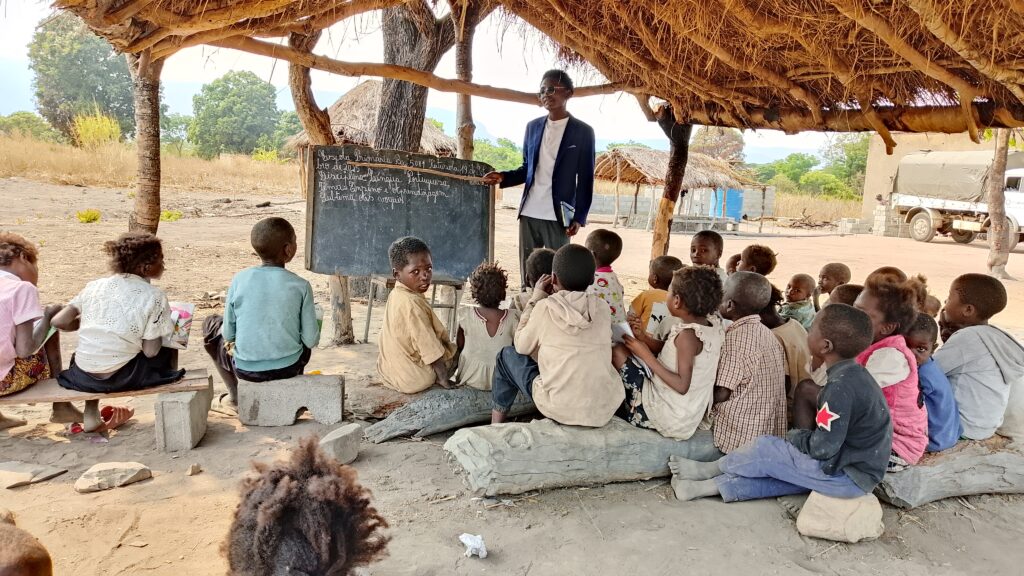
The story of Teacher Leonardo, from Lusite School, captures this transformation. When he began teaching in 2013, some classes were held in a community chapel with no blackboards. Other lessons took place under trees, where children sat on stones or the ground, exposed to wind, dust, heat, and rain. Every disruption meant lost focus and less learning time.
Five years later, ForAfrika introduced school feeding, which immediately improved attendance and retention.
“Despite the lack of proper classrooms, the meals motivated children. They kept coming, and they kept learning,” Leonardo recalls.
Recognising the urgent need for dignified learning spaces, ForAfrika and partners rehabilitated four classrooms, provided furniture, installed a water system, and built a school kitchen.
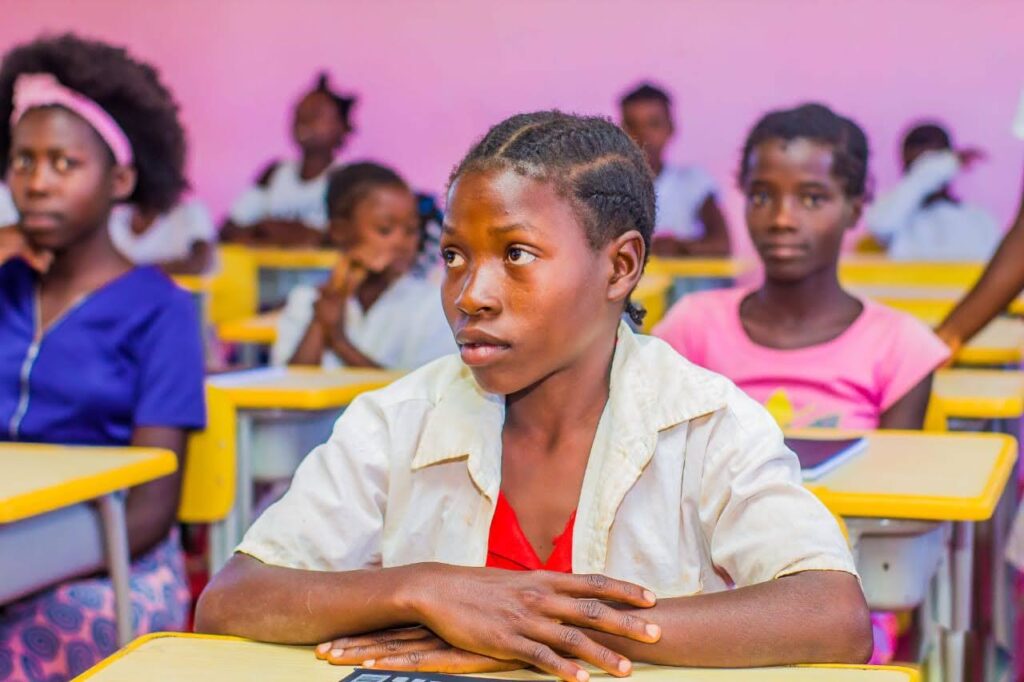
“Now our students are thriving. They are motivated, proud, and determined to study,” says Leonardo.
A call to action: Let’s break down every barrier
Progress in Africa’s education systems requires government and civil society to work together to remove every obstacle to learning. Whether the obstacle is nutritional, structural or something else, we must work together to ensure that our children have the best possible opportunity to receive a solid educational foundation.
Africa’s future is young and its strength lies in youth having access to the education they deserve.