Catalytic transformation for Africa to thrive
Our vision is for Africa to thrive
In Mathiang Boma, a remote community in Gogrial West county, four consecutive years of flooding left families without food or income. Their staple crops, sorghum, maize, and groundnuts, were lost. After receiving emergency support, 17 households were selected for a livelihood stabilization project. With support from ForAfrika and the World Food Programme, they formed the Lilthok Farmers Group and embarked on rice farming for the first time.
These families had long relied on subsistence farming, growing just enough to eat. Traditionally pastoralist, they had begun transitioning to mixed livelihoods, incorporating subsistence crop farming as they adapted to environmental and economic pressures. But repeated shocks had made that difficult. With no access to markets or training, they had never earned income from agriculture. That changed when they planted 17 acres of rice and received training in flood-resilient varieties, planting techniques, and sustainable practices.
The harvest was a turning point. The group produced 11,452 kilograms of rice. With a rice polishing machine donated by ForAfrika, they added value and sold 1,460 kilograms to a local school vendor through the Home-Grown School Feeding Programme, earning SSP11.6 million (about $2,013 USD). Dhal Gong topped the group’s earnings with SSP1.6 million (about $348 USD). For most, this was their first income from farming and the largest income they had ever earned from an economic activity.
In a region where many rely on aid and have few economic opportunities, even modest earnings can be transformative. The income meets essential needs like food, school fees, and healthcare.
“We are no longer just dreamers,” said Adeng Akuith, a participant and community representative. “We are empowered producers. Our hearts are filled with hope.”
Inspired by their success, the group expanded their rice farm to 45 acres the following season and welcomed new members. What began as a pilot is now a growing, community-led initiative that is feeding families, generating income, and building resilience.
Over 600 kilometers away in Pariak Boma, in Aweil East, another community turned to rice after years of floods left them with no crops and few animals. Alek Buol, a 35-year-old mother of five, was among those trained in rice cultivation. She learned new techniques, ploughing, transplanting, and row planting, and within four months, the rice began to sprout.
“The joy of seeing the rice emerge from the flood water was profound,” Alek said. “When I saw the rice sprouting above the water, I realized this could sustain me and my family for years.”
For the first time, women like Alek, Ajok Dut, and Akuol are cultivating their own rice farms. They are mastering new techniques, mentoring others, and transforming their once flooded fields into sources of food and pride.
But rice is not the only crop changing lives. In Nyok Thiang Boma, 15 farmers received high-yield seeds, tools, and training to shift from subsistence to more resilient farming. From a single harvest, they earned 1.2 million SSP (about $350 USD), enabling them to pay school fees, improve their homes, invest in livestock, and feed their families with fresh, homegrown vegetables, something they had never done before.
“Before, we planted with hope but harvested with worry,” said Athieng Ajook Kiir. “Now, the seeds have grown into food for our children and a future we can build on.”
To support these efforts, ForAfrika also installed a shallow well to provide water for both domestic use and farming, reducing reliance on unpredictable rainfall.
Despite years of hardship, these communities are reclaiming their futures. By embracing new skills, working together, and investing in their land, they are charting a new path from survival to thriving. What once seemed impossible is now within reach, and the hope for a better tomorrow has been reignited.
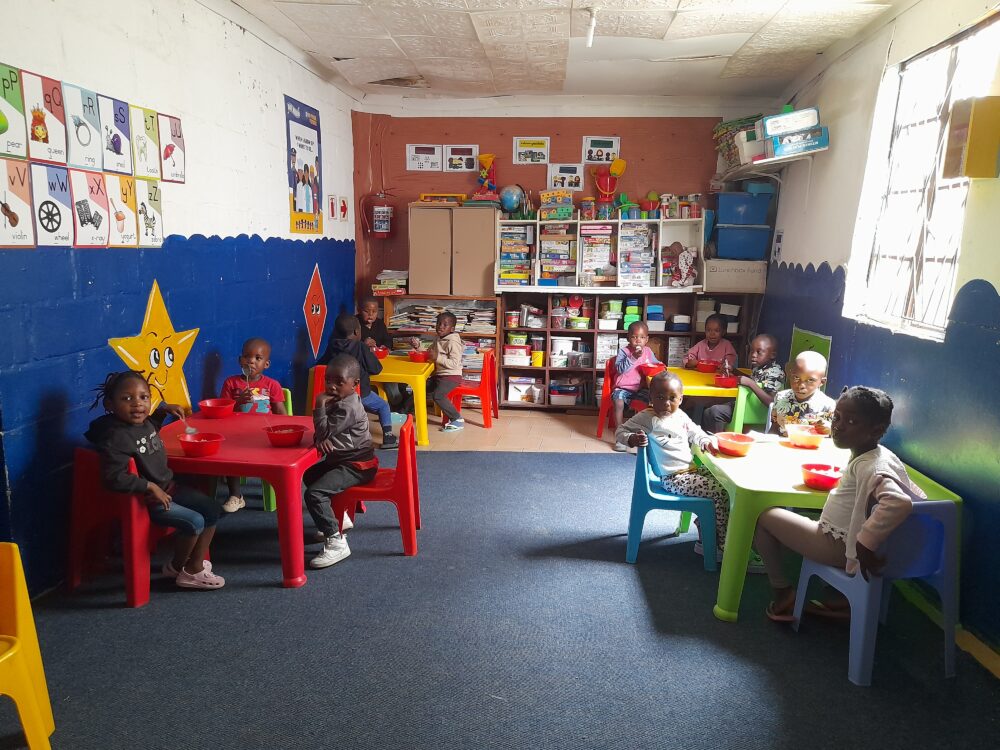 Read more +17 November 2026 By ForAfrika in Education, South Africa
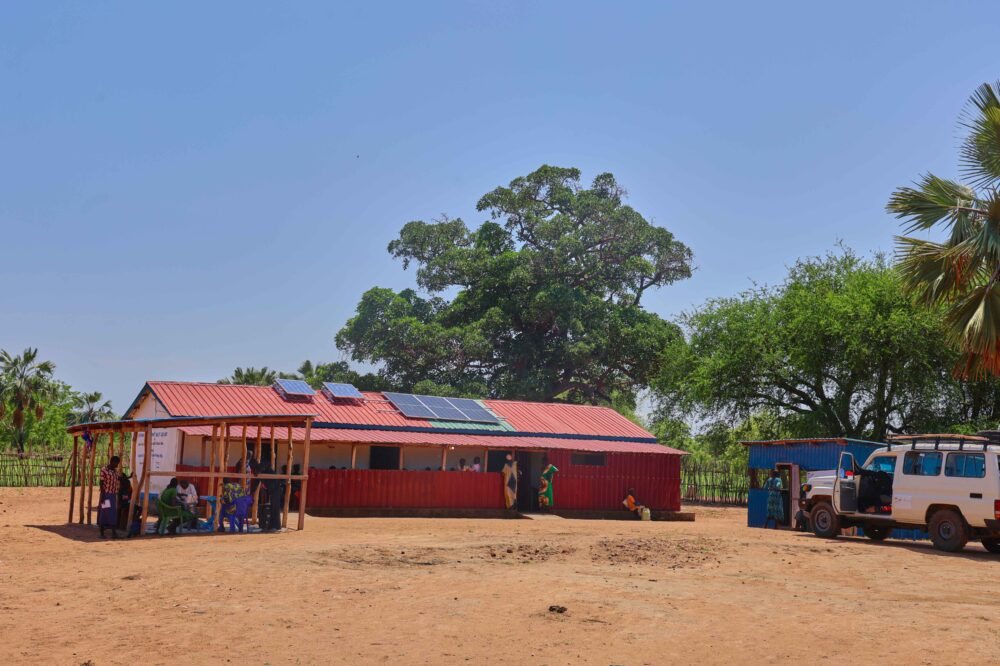 Read more +17 November 2026 By ForAfrika in Health and Nutrition, South Sudan
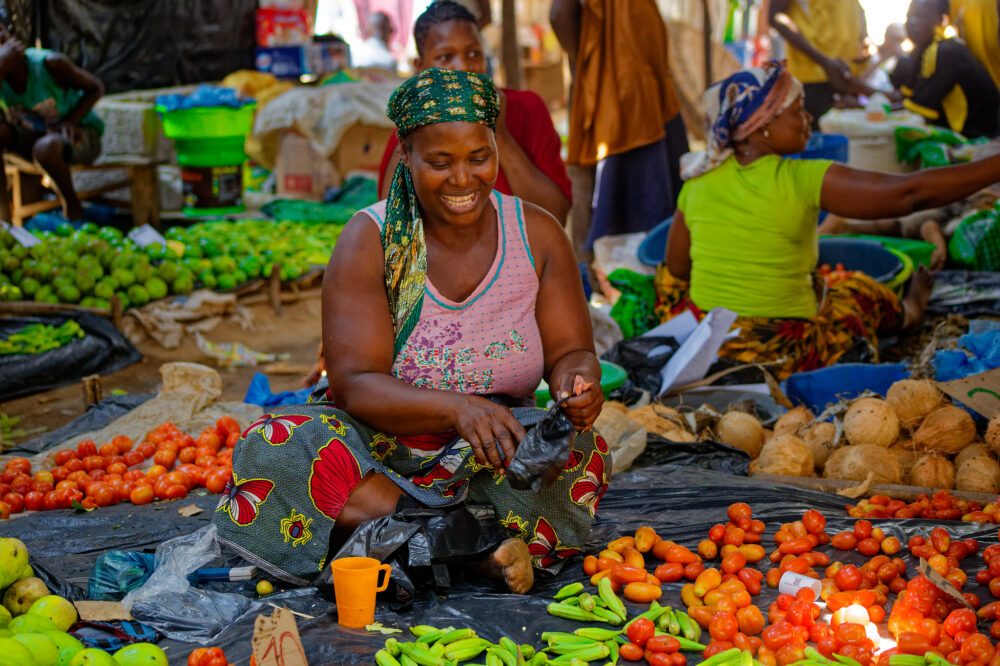 Read more +17 November 2026 By ForAfrika in Economic Empowerment, Mozambique
| Cookie | Duration | Description |
|---|---|---|
| cookielawinfo-checkbox-analytics | 11 months | This cookie is set by GDPR Cookie Consent plugin. The cookie is used to store the user consent for the cookies in the category "Analytics". |
| cookielawinfo-checkbox-functional | 11 months | The cookie is set by GDPR cookie consent to record the user consent for the cookies in the category "Functional". |
| cookielawinfo-checkbox-necessary | 11 months | This cookie is set by GDPR Cookie Consent plugin. The cookies is used to store the user consent for the cookies in the category "Necessary". |
| cookielawinfo-checkbox-others | 11 months | This cookie is set by GDPR Cookie Consent plugin. The cookie is used to store the user consent for the cookies in the category "Other. |
| cookielawinfo-checkbox-performance | 11 months | This cookie is set by GDPR Cookie Consent plugin. The cookie is used to store the user consent for the cookies in the category "Performance". |
| viewed_cookie_policy | 11 months | The cookie is set by the GDPR Cookie Consent plugin and is used to store whether or not user has consented to the use of cookies. It does not store any personal data. |