Catalytic transformation for Africa to thrive
Our vision is for Africa to thrive
Text Box 1, TextboxForAfrika’s multi-sector project with support from the German Federal Foreign Office (GFFO), is changing the narrative for Ahla and other refugees and host communities in Aweil West County, Northern Bahr el Ghazal State. The project aims to increase refugees’ access to safe water, sanitation, health, and nutrition services. This is in line with ForAfrika’s commitment to delivering lifesaving support that protects dignity, strengthens community wellbeing, and responds to the urgent realities facing crisis-affected populations in South Sudan.
For Ahla, that support became real when she was allocated shelter in Block 11 by the United Nations High Commissioner for Refugees and the Commission for Refugee Affairs. Her new home was located less than a one-minute walk from a water source.
“I arrived and found the water yard already constructed in Block 11. I felt lucky to be allocated close to a water source, especially with the water challenges in the settlement and as a breastfeeding mother with no babysitter,” Ahla narrated with joy.
Before arriving, Ahla was worried about fetching water and leaving her baby alone. In a fragile setting, even a brief absence can expose children to risk. But with the water point located close to her shelter and operating throughout the day and night, she can collect water when needed while watching over her children.
The mother of two testified, “worries associated with walking long distances to fetch water have disappeared.” Ahla continued, “I fetch water whenever I need it. Cooking, cleaning, bathing, washing, and drinking safe and clean water are now sorted.”
Ahla’s story is a reminder that assistance is most powerful when it responds to everyday realities. In contexts of displacement, access to something as simple as safe water can reduce hardship, protect children, and restore peace of mind for mothers.
In Wedwiel, the impact extends beyond one family. The water yard in Block 11, together with sanitation facilities constructed through the project, have improved hygiene, reduced exposure to waterborne diseases and helped families to live with dignity in an already difficult context.
 Read more +17 November 2026 By ForAfrika in Education, South Africa
 Read more +17 November 2026 By ForAfrika in Health and Nutrition, South Sudan
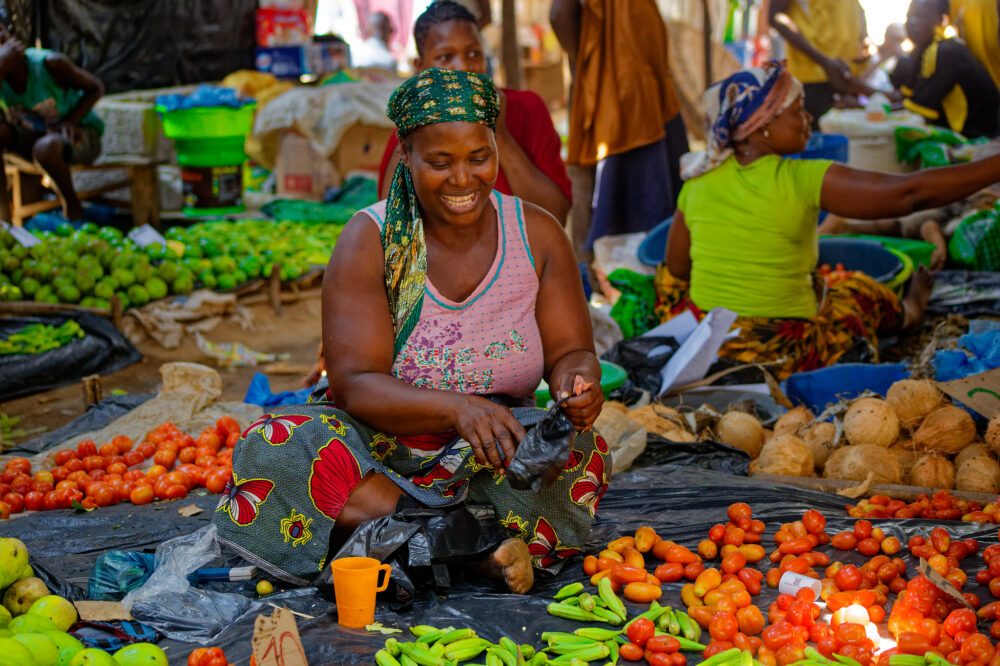 Read more +17 November 2026 By ForAfrika in Economic Empowerment, Mozambique
| Cookie | Duration | Description |
|---|---|---|
| cookielawinfo-checkbox-analytics | 11 months | This cookie is set by GDPR Cookie Consent plugin. The cookie is used to store the user consent for the cookies in the category "Analytics". |
| cookielawinfo-checkbox-functional | 11 months | The cookie is set by GDPR cookie consent to record the user consent for the cookies in the category "Functional". |
| cookielawinfo-checkbox-necessary | 11 months | This cookie is set by GDPR Cookie Consent plugin. The cookies is used to store the user consent for the cookies in the category "Necessary". |
| cookielawinfo-checkbox-others | 11 months | This cookie is set by GDPR Cookie Consent plugin. The cookie is used to store the user consent for the cookies in the category "Other. |
| cookielawinfo-checkbox-performance | 11 months | This cookie is set by GDPR Cookie Consent plugin. The cookie is used to store the user consent for the cookies in the category "Performance". |
| viewed_cookie_policy | 11 months | The cookie is set by the GDPR Cookie Consent plugin and is used to store whether or not user has consented to the use of cookies. It does not store any personal data. |